


How is the anti-misinsertion structure of a universal socket designed and implemented?
Release Time : 2025-12-05
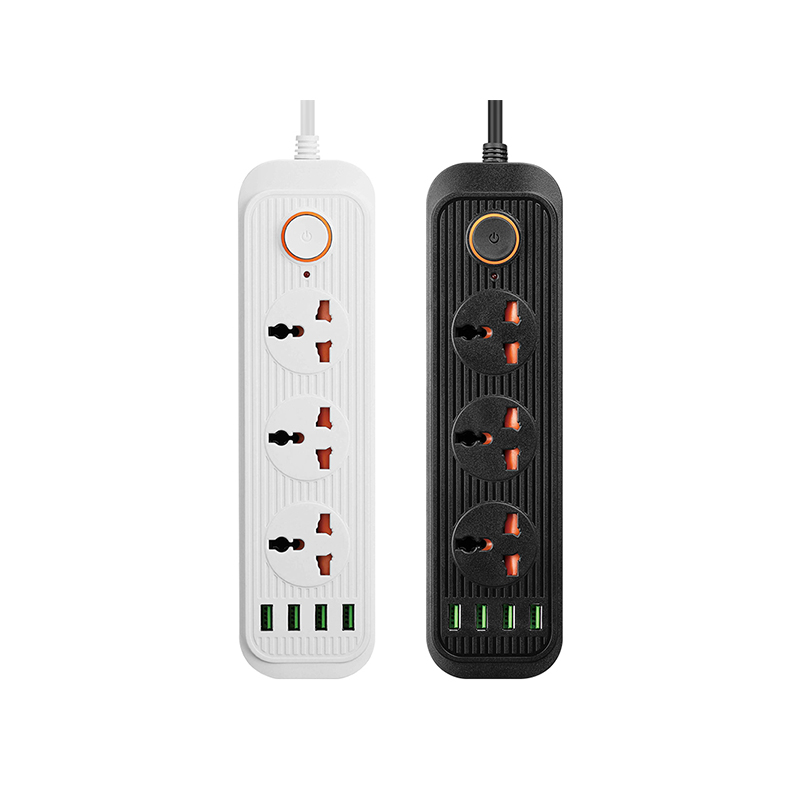
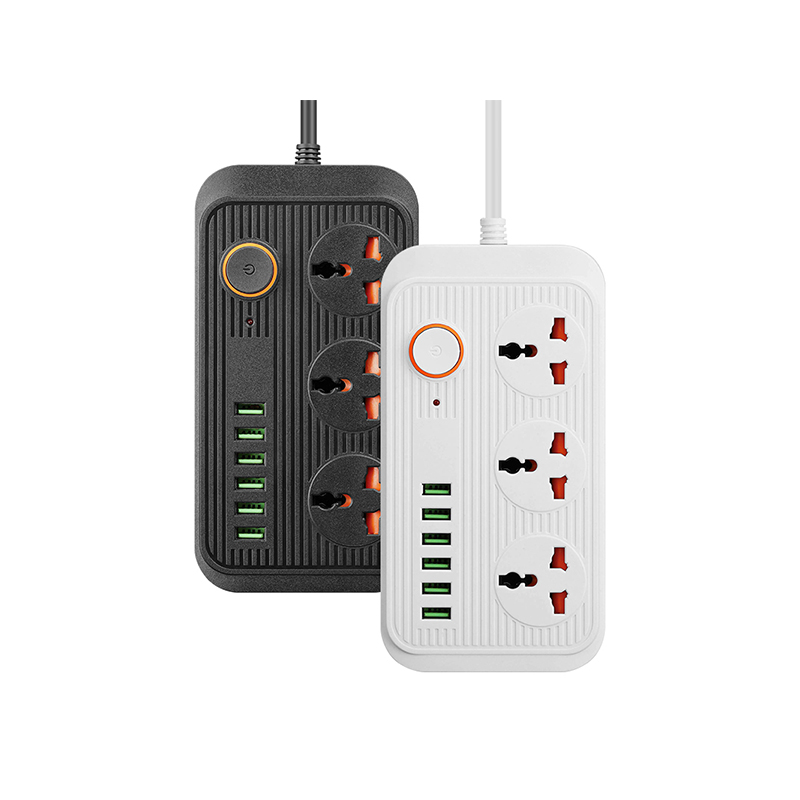
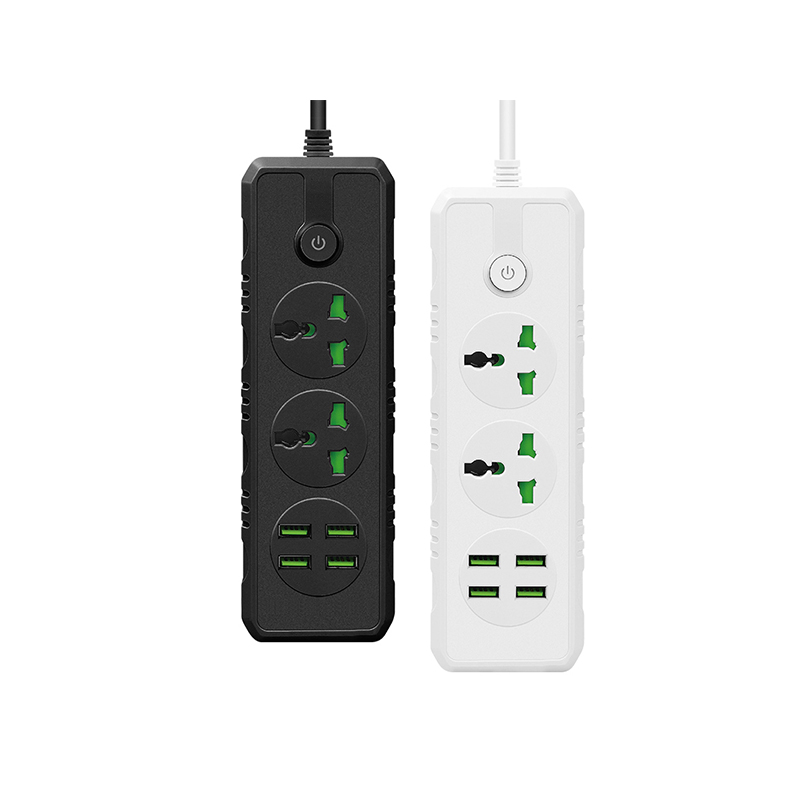
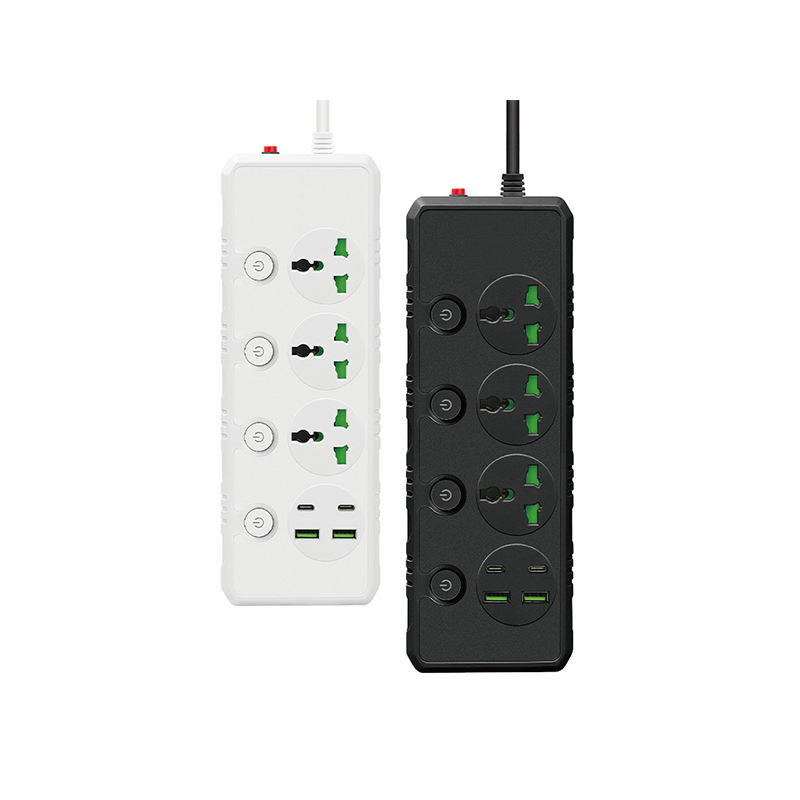
The anti-misplugging structure of a universal socket is a core design element ensuring electrical safety and equipment stability. Its implementation typically combines mechanical structures, electrical interlocks, and intelligent identification technology, forming a multi-layered protection system through physical constraints, signal verification, and dynamic feedback. This type of design must not only meet basic safety standards but also consider user ease of operation, especially in environments with high-frequency, multi-scenario use, where its reliability directly determines the product's market competitiveness.
Mechanical structures form the fundamental line of defense against misplugging, primarily achieved through differentiated designs in physical dimensions and shapes. For example, some universal sockets employ trapezoidal or asymmetrical socket layouts, ensuring unique plug-socket matching—if the plug's orientation or type is incorrect, it cannot be inserted due to size or shape mismatch. This design is common in industrial connectors or special-purpose sockets, where precise mold processing ensures that the spacing, depth, and angle of each socket conform to standards, eliminating the possibility of misplugging at its source. Furthermore, some sockets incorporate movable retainers or spring mechanisms. When no plug is inserted, the retainer covers the socket; when inserted, the plug pushes the retainer to expose the conductive contacts. If the plug size is incompatible, the retaining plate cannot be fully pushed open, creating a physical obstruction.
Electrical interlocking achieves secondary verification through signal interaction. When the plug is inserted into the socket, the internal circuitry first performs electrical parameter checks, including voltage, current, frequency, and communication protocol. If the detected values do not match the preset range, the circuitry automatically cuts off the power supply to prevent equipment damage or electrical fires caused by misinsertion. For example, although the DC fast charging and AC slow charging sockets for new energy vehicle charging interfaces differ in physical size, the electrical interlocking further verifies the charging power and communication protocol, ensuring that only compatible charging devices can initiate the charging process. This design is particularly important in scenarios with extremely high requirements for power supply stability, such as medical equipment and precision instruments, as it can prevent high-voltage surges caused by misinserting low-power devices.
Intelligent recognition technology is an advanced solution for preventing misinsertion, achieving dynamic monitoring through integrated sensors and microprocessors. Some high-end universal sockets have built-in pressure or position sensors that can monitor the insertion depth and angle of the plug in real time. If the insertion behavior is abnormal (such as angle deviation or insufficient force), the system will prompt the user to adjust through audible and visual alarms or a display screen. More advanced solutions also support communication with devices, such as via Bluetooth or NFC. The socket and plug authenticate each other upon contact, and only successfully paired devices can be powered on. This design is widely used in smart homes and IoT scenarios, effectively preventing unauthorized devices from accessing the system and improving system security.
Some universal sockets also achieve a balance between preventing mis-insertion and convenience through structural innovation. For example, sockets with magnetic designs use magnetic attraction to fix the plug and socket in place. If the orientation is incorrect, the magnetic poles repel, preventing connection; when the orientation is correct, the magnetic force assists in alignment, improving insertion efficiency. Another design is the rotary socket, where the plug needs to be rotated to a specific angle to contact the conductive contacts. During rotation, a mechanical limiting structure ensures that rotation can only be completed in the correct direction, avoiding misoperation. This type of design is common in portable devices or outdoor products, taking into account both preventing mis-insertion and environmental adaptability requirements such as protection against water, dust, and other hazards.
The implementation of mis-insertion prevention structures also requires consideration of the reliability of materials and processes. Conductive contacts typically utilize high-conductivity, wear-resistant alloy materials to ensure precise dimensional accuracy and elasticity even after long-term use; the plastic casing must possess flame-retardant and high-temperature resistance properties to prevent fires caused by short circuits.
Furthermore, the precision of the assembly process is crucial. For example, parameters such as the spring force coefficient and the sliding resistance of the retaining plate must be strictly controlled to prevent manufacturing errors from causing the anti-misinsertion function to fail.
The anti-misinsertion structure of a universal socket is a comprehensive application of mechanical, electrical, and intelligent technologies. Its design must balance safety, reliability, and user experience. From basic physical size limitations to advanced intelligent authentication, different levels of protection schemes work together to build a barrier for electrical safety. With technological advancements, future anti-misinsertion designs will become more intelligent, such as using AI algorithms to predict user operation intentions or integrating biometric technology to achieve personalized security protection, further driving the evolution of universal sockets towards safety, convenience, and efficiency.