


How to test the effectiveness of the grounding protection function of the power strip?
Release Time : 2025-11-25
The grounding protection function of a power strip is a core line of defense for electrical safety, and its effectiveness directly affects the personal safety of users. When electrical equipment experiences leakage or insulation failure, the grounding system must conduct the current to the earth to prevent human contact with live parts. If the grounding fails, electrical appliances with live casings may cause electric shock accidents, even endangering lives. Therefore, testing the reliability of the grounding protection function requires comprehensive verification from three dimensions: physical structure, electrical performance, and professional tools.
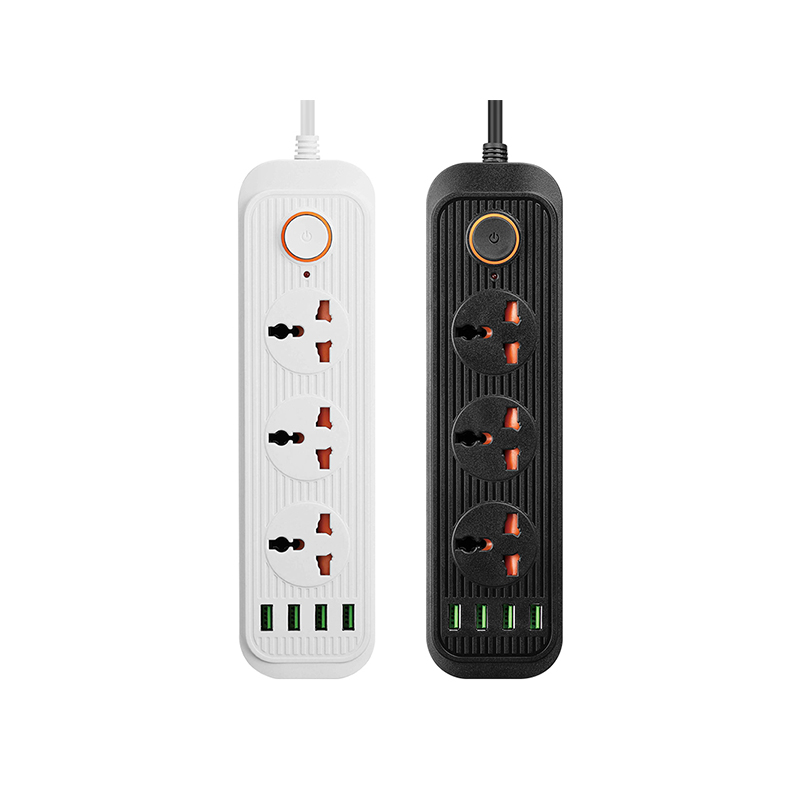
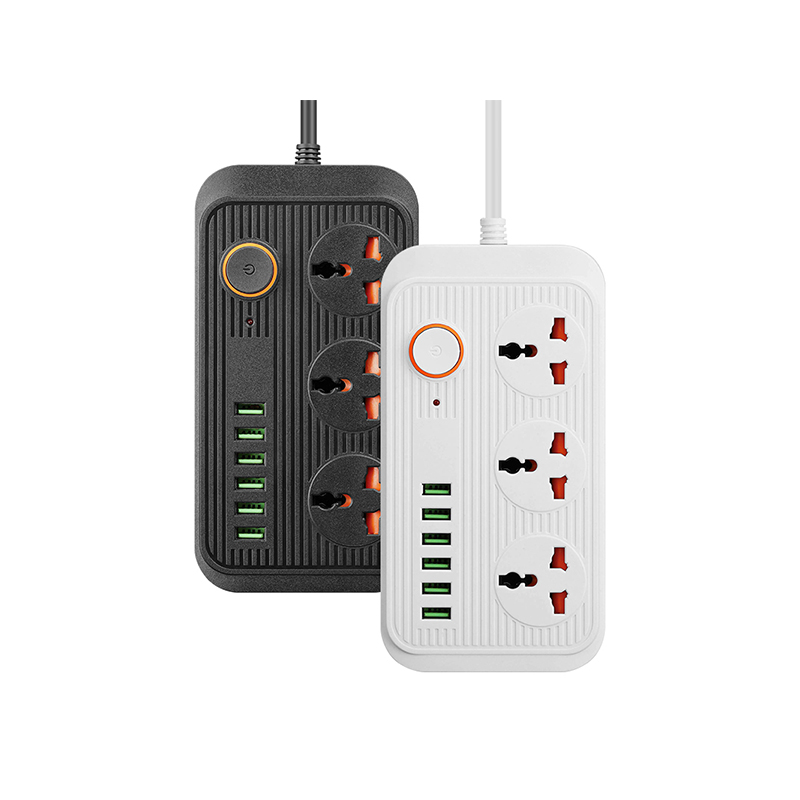
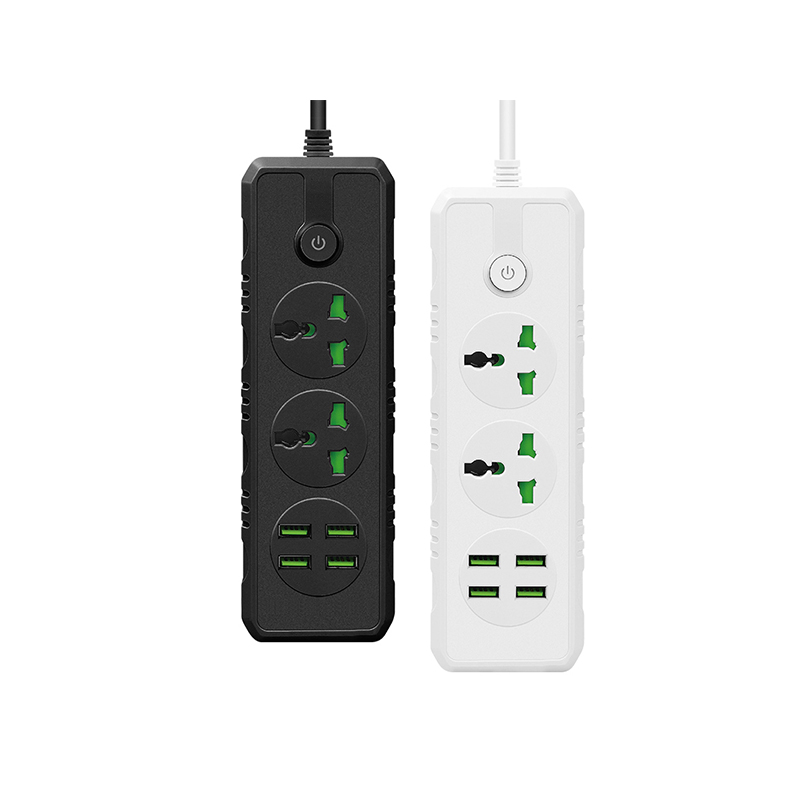
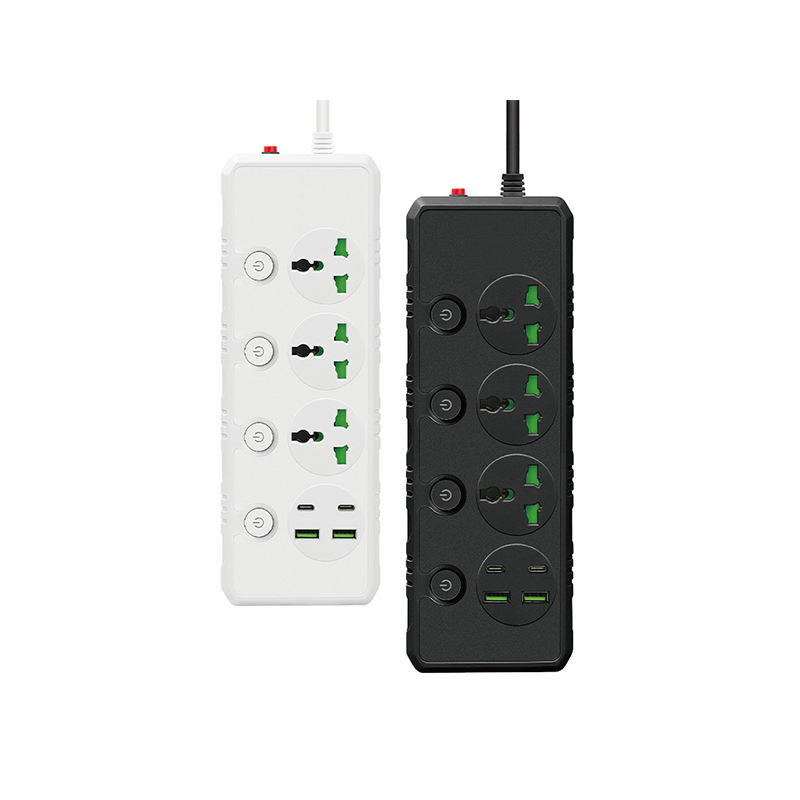
Physical structure inspection is a fundamental step. A qualified power strip must be equipped with complete grounding terminals and sockets, and the connection between them must be secure. The grounding terminal is usually located at the bottom of the socket or on a fixed component and must be permanently connected to the base by screws or welding. The grounding socket should have sufficient elasticity to ensure full contact between the plug and the grounding pin when inserted and should not deform after repeated insertion and removal. In addition, the insulation material of the socket casing must be intact and free of cracks to prevent current leakage through damaged areas in case of leakage. If a loose grounding terminal, worn socket, or damaged casing is found, the socket must be immediately stopped and replaced.
Electrical performance testing requires the use of professional tools. Grounding resistance is a key indicator of the reliability of a grounding system and must be measured using a grounding resistance tester. During testing, one probe of the tester is inserted into the grounding hole of the socket, and the other probe is connected to the grounding electrode. The resistance value displayed by the instrument should meet safety standards. If the resistance value is too high, it indicates problems such as poor contact, broken wires, or corrosion of the grounding electrode, preventing current from effectively flowing to the ground. In addition, the connection resistance between the grounding terminal and easily accessible metal parts should be checked; this value should typically be below a certain threshold to ensure that current can be quickly diverted in the event of a leakage.
Simulating leakage scenarios is an important step in verifying the grounding protection function. A weak current is injected into the appliance casing using specialized equipment to simulate a leakage state, while the socket's response is observed. If the grounding system is normal, the current should flow to the ground through the ground wire, not through the human body to form a loop. At this time, a leakage current tester is used to measure the voltage difference between the socket casing and the ground wire. This value should be close to zero, indicating that current is not accumulating in the casing. If the voltage difference is significant, it indicates that the grounding protection has failed, and the wiring should be checked immediately or the socket replaced.
The application of professional testing tools can improve testing accuracy. Grounding resistance testers quantify the resistance value of a grounding system to determine if it meets safety standards; leakage current testers capture minute leakage currents to assess the sensitivity of grounding protection; and withstand voltage testers verify insulation performance by applying high voltage, ensuring the grounding system functions under extreme conditions. These tools must be operated by professionals to ensure the accuracy of test results.
In daily use, users can make preliminary judgments about the grounding status using simple methods. For example, observe the socket layout; the top hole of a three-prong socket should be the grounding terminal. Use a power polarity detector inserted into the socket; if the indicator light shows normal grounding, it preliminarily indicates that the grounding line connection is intact. However, these methods cannot replace professional testing and should only be used as supplementary means.
The dangers of grounding protection failure should not be ignored. If the grounding system fails when an appliance leaks current, the casing may become live. Contact with this could cause current to flow through vital organs such as the heart and lungs, potentially leading to ventricular fibrillation or respiratory arrest. Grounding protection is especially crucial for appliances with metal casings, such as washing machines and refrigerators. Therefore, regularly checking grounding functionality is a key measure to prevent electrical accidents.
Testing the grounding protection function of a power strip requires a combination of physical inspection, electrical testing, and simulation verification, relying on specialized tools to ensure accurate results. Users should prioritize the importance of grounding protection and regularly commission professionals to check the grounding status of sockets to avoid the risk of electric shock due to grounding failure. Electrical safety is paramount; rigorous testing procedures are a crucial barrier protecting lives.